The Complete Toronto Wedding Planning Checklist
A 12-month timeline, from your first decisions to the final toast.
Jump to the printable checklist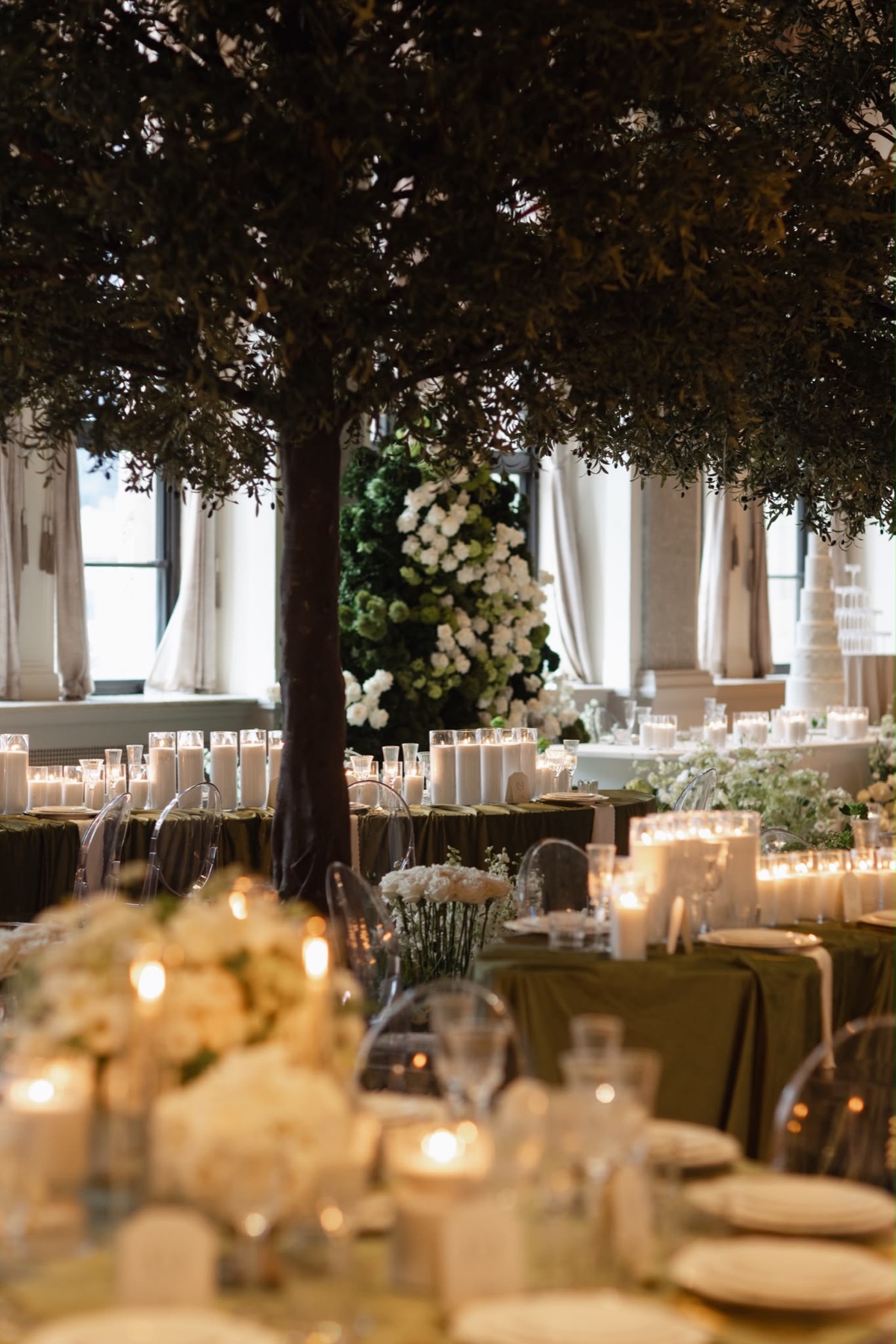
A wedding becomes easier to plan when you know which decisions unlock the next ones. You do not need a finished design, a perfect seating chart or every vendor booked to begin. You need a realistic guest range, a comfortable budget and a sense of what matters most to you.
This Toronto wedding planning checklist takes you through a 12-month timeline, with an earlier starting point if your date or venue is a priority. Use it as a flexible framework: your venue’s requirements, vendor contracts and cultural or religious celebrations should shape the final schedule.
Before you book: make three decisions together
Before requesting proposals, each choose three things you would most like to remember about the day. It might be an exceptional meal, a packed dance floor, a meaningful ceremony or time with family. Combine those priorities into a short brief you can share with your planning team.
1. Set a working guest count
Make one shared list, including your wedding party, immediate family and any guests your families hope to invite. Separate definite invitations from possible additions. A venue that suits 100 guests may feel very different with 160, especially once you allow for a dance floor, entertainment and the ceremony layout.
2. Establish an all-in budget
Agree on what you can comfortably spend and who is contributing. Track estimated cost, contracted cost, deposits, outstanding balances and payment dates in one place. Ask whether proposals include taxes, service charges, staffing, delivery, setup and removal. Keep a reserve for changes instead of allocating every dollar at the beginning.
3. Decide how much support you need
If you want help evaluating venues and managing the whole process, speak with a planner before you sign your venue contract. If you have already begun, partial planning or wedding day management may be a better fit. Compare the scope of Lux Events Co’s wedding planning services and clarify when support begins, who manages vendors and who will be onsite.
12–18 months before: secure the foundations
Start here if you have a particular venue, season or date in mind. Twelve months is a useful planning framework, not a booking guarantee; ask each vendor about availability before building the rest of your plans around them.
- Choose a season and a few possible dates. Check important family dates, religious observances and travel needs before making a commitment.
- Tour venues with your guest range and budget in hand. Ask to see a realistic seated floor plan, not just the maximum capacity. Confirm what is included, which vendors are permitted, accessibility, rain alternatives, setup access and the end-of-night schedule.
- Understand the contract before paying a deposit. Review minimum spends, payment dates, cancellation terms, overtime and any restrictions on music, candles, installations or outside suppliers.
- Confirm your date and book your core team. Once the venue is secured, approach your photographer, videographer, entertainment and officiant or ceremony provider. Coordinate with your planner if you have one.
For a celebration with several events, map out the entire sequence now. A welcome dinner, cultural ceremony and next-day brunch each need their own space, budget and guest communications.
Milestone: a confirmed date and venue, a working budget and a clear list of the vendors you still need.
9–12 months before: build the team and guest experience
Now turn the outline into a practical plan. Seek proposals that describe the same scope so you can compare them fairly; a lower quote may exclude rentals, labour or delivery that another includes.
- Book outstanding priority vendors, including catering if your venue does not provide it, floral design, rentals, hair and makeup, and any specialist performers.
- Begin attire shopping and ask about actual ordering, delivery and alteration timelines before purchasing.
- Explore hotel options for out-of-town guests. Before committing to a room block, understand its release date and whether you are responsible for unbooked rooms.
- Create a simple wedding website with confirmed information: date, location, travel guidance and an accessibility contact. Send save-the-dates once those details are settled.
- Outline the ceremony with your officiant, including traditions, readings, music and any preparation you need to complete.
Milestone: your key vendors are booked and guests have the information they need to plan their travel.
6–9 months before: connect the design and logistics
Build your design around how the celebration will feel and function. Choose a small group of reference images that communicate colour, light and atmosphere, rather than trying to reproduce unrelated details from dozens of weddings.
- Develop a room layout with your venue, planner and design team. Allow for service routes, accessible movement, entertainment equipment and comfortable conversation.
- Review floral and rental proposals together. Check quantities, dimensions, setup responsibility and whether ceremony pieces can realistically be moved during the event.
- Arrange tastings and discuss dietary requirements with your caterer. Ask how allergies and special meals will be identified and served.
- Plan invitations and decide which guest details you need to collect, such as meal selections, access needs and shuttle use.
- Book transport if needed and establish a weather alternative for every outdoor part of the day.
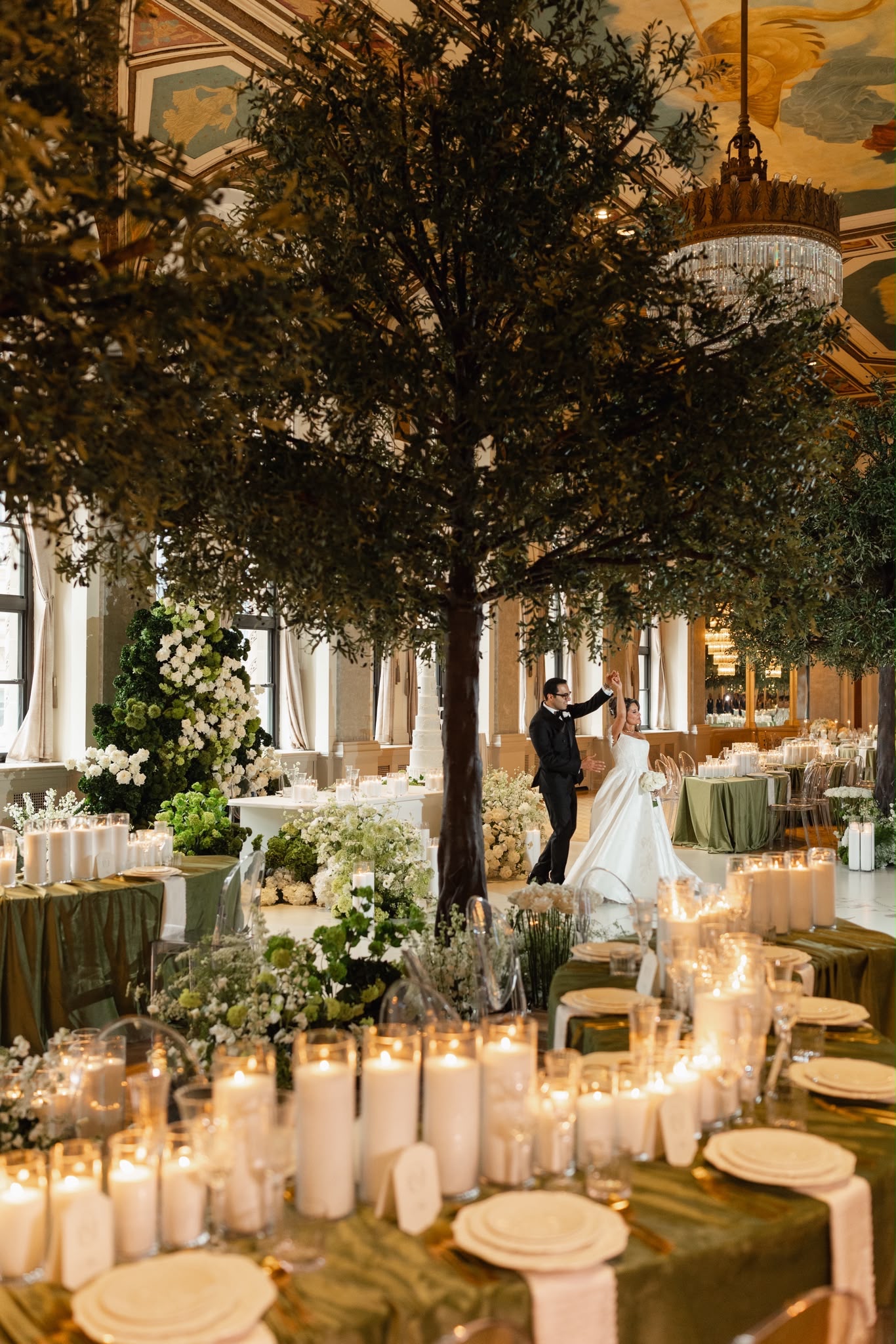
Our indoor garden wedding at Fairmont Royal York offers one example of a consistent design language: botanical greens, warm ivory and candlelight carried throughout the room. Your own design can be much simpler; the useful principle is to make the choices feel connected.
Milestone: an agreed design direction, a workable layout and a realistic plan for moving people and equipment.
3–6 months before: work backwards from your deadlines
Ask the venue and caterer when final numbers, meal choices and floor plans are due. Set your RSVP date early enough to follow up with guests before those deadlines. Invitation timing should support that schedule and give travelling guests enough notice.
- Send invitations according to your guest and travel needs, with a clear RSVP method and deadline.
- Schedule attire fittings and any beauty trial you want. Bring relevant accessories and reference images.
- Confirm ceremony wording, readings, participants and music with your officiant.
- Draft the wedding-day timeline with your photographer, venue and planner, including setup, getting ready, travel, portraits, ceremony, dinner and speeches.
- Research marriage licence requirements and collection arrangements now, but time the licence itself to remain valid for your ceremony.
Ontario states that a marriage licence is valid for three months from the date it is issued. Check the province’s official guide to getting married in Ontario and your issuing municipality’s instructions for current requirements. Your officiant can help clarify what applies to your ceremony.
Milestone: guests can respond, the day has a working timeline and every outstanding decision has a deadline.
The final 8 weeks: turn plans into a handover
This stage is about confirming details, not creating a second wedding. Keep one current version of the guest list, floor plan and timeline so suppliers are not working from different information.
- Follow up on RSVPs, complete the seating plan and submit final quantities by your suppliers’ deadlines.
- Confirm meal selections, allergies, children’s meals and vendor meals with the relevant teams.
- Obtain your marriage licence within its valid window and confirm the ceremony documents with your officiant.
- Finalize photo locations, permissions and a short family-portrait list. Name someone who can help gather family members.
- Confirm every vendor’s arrival time, access instructions, onsite contact, setup needs, collection time and remaining balance.
- Share the weather decision deadline and who has authority to activate the backup plan.
- Prepare the final timeline and contact sheet, then distribute the approved version to the people responsible for delivering it.
Milestone: your team knows what happens, when it happens and who is responsible.
Wedding week and the day itself: make room to enjoy it
Pack personal items and label anything the team needs to place or return. Give someone specific responsibility for rings, ceremony documents, gifts, cards and personal décor. Confirm how those items will get home at the end of the night.
Attend your rehearsal if you are having one, check final transport arrangements and share essential information with your wedding party. Settle payments according to your contracts. Protect time for meals, rest and a little breathing room between appointments.
On the day, give vendors a designated contact who is not either of you. Keep rings and documents with the agreed person, allow space in the schedule for delays, and let your team handle the moving parts. The timeline exists to support the celebration, not to make you watch the clock.
Toronto wedding details worth planning early
Travel between locations
A short distance on a map is not the same as a reliable journey time. Consider construction, major events, parking, loading zones and the time it takes a group to board a shuttle. Check routes nearer your date, build in a buffer and tell guests exactly where to arrive. If possible, reduce the number of moves between getting ready, the ceremony, portraits and reception.
Photography permissions
Do not assume a public setting is available for a wedding photo session. The City of Toronto lists a permit requirement for formal photography in City parks and recreation facilities. Start with its licence and permit directory, then confirm the rules for your exact location. Private venues and other municipalities may have different requirements.
A weather plan that is actually ready
Ask where the ceremony, cocktail hour and portraits will happen if weather changes. Check the backup space’s capacity, accessibility, lighting and setup time. For outdoor events, discuss ground conditions, power, shelter and guest comfort with the venue and suppliers. Name the decision-maker and deadline so the team can act together.
Guest access and overnight stays
Share clear parking, transit and hotel information without assuming everyone will drive. Ask about step-free routes, accessible washrooms and seating needs. If you arrange shuttles, communicate the final departure and an alternative for guests who want to leave earlier.
Keep the essentials close
Your Toronto wedding planning checklist
A compact version to keep beside your calendar. Print it or choose “Save as PDF” in your browser’s print dialog. Adjust these planning windows to your contracts and circumstances.
Start here / 12–18 months
- Agree on priorities, budget and guest range.
- Choose your planning support.
- Secure your venue and date.
- Book your core vendor team.
9–12 months
- Confirm remaining priority vendors.
- Begin attire shopping.
- Arrange guest travel information.
- Share save-the-dates.
6–9 months
- Agree on design and room layout.
- Review rentals and catering.
- Plan invitations and transport.
- Confirm weather alternatives.
3–6 months
- Send invitations; track RSVPs.
- Arrange fittings and trials.
- Draft the wedding-day timeline.
- Check marriage licence requirements.
Final 8 weeks
- Submit final guest and meal details.
- Obtain your licence within its valid window.
- Confirm suppliers, permissions and payments.
- Distribute the final timeline and contacts.
Wedding week
- Pack and label personal items.
- Assign rings, documents and gift collection.
- Confirm rehearsal and transport details.
- Hand over logistics and enjoy the day.
Lux Events Co · Toronto wedding planning & event design
luxeventsco.com/journal/toronto-wedding-planning-checklist/
Toronto wedding planning: common questions
How far in advance should we start planning?
A 12-month framework gives you room to work through decisions in stages. Consider starting 12–18 months ahead if a particular venue, date or vendor is important to you. Availability varies, so confirm directly rather than treating any timeline as a guarantee.
Can we plan a Toronto wedding in six months?
It may be possible if you are flexible about the date, venue and suppliers. Combine the early stages: set your budget and guest range, check venue availability, then book the core team. Ask about attire lead times and keep custom production manageable. A shorter timeline needs faster decisions, not less attention to contracts or guest needs.
What should we book first: a planner or a venue?
If you want full planning support, involve a planner before choosing the venue so they can help assess the budget and logistics. If you are planning independently, establish your guest range and budget first, then secure the venue and date before booking date-dependent vendors.
Is a venue coordinator the same as a wedding planner?
The responsibilities can overlap, but they are not automatically the same. A venue coordinator’s role centres on the venue and its contracted services. A wedding planner’s scope may include your wider vendor team, design and day-of logistics. Ask both for their exact responsibilities so you can identify gaps rather than assuming someone has them covered.
When should we get our Ontario marriage licence?
Research the process early and obtain the licence within three months of the ceremony, allowing time for the issuing municipality’s process. Confirm current requirements with the Government of Ontario and your municipality, especially if your circumstances require additional documentation.
From a checklist to your celebration
A thoughtful plan. A day that feels like you.
A checklist helps you see what comes next. A planning partnership brings those decisions together around your people, your priorities and your celebration. Lux Events Co offers full planning, partial planning and wedding day management in Toronto and the GTA.
Explore planning services Tell us about your wedding →